
If you’ve been eating gluten-free but you are not seeing results, you’re definitely not alone. I’ve heard this same frustration from friends more times than I can count—and honestly, I’ve felt it myself too. This 7 day gluten free weight loss diet is for you if you want something realistic, simple, and actually doable. No fancy ingredients. No extreme rules. Just a clear, practical plan you can follow without stress.
This article is meal-plan-based, beginner-friendly, and practical—not restrictive. You’ll get a full 7 day gluten free meal plan, simple weight-loss tips, plus gentle calorie and budget guidance. Think of this as a friendly roadmap, not a lecture. The goal here is steady progress, not perfection.
Table of Contents
ToggleIs a 7 Day Gluten-Free Weight Loss Diet Right for You?
Before jumping in, it helps to align expectations. This plan supports healthy habits and consistency—it’s not about quick fixes or miracle results.
This approach works especially well for:
- Beginners who feel overwhelmed by gluten-free eating
- People are reducing gluten for digestion or lifestyle reasons
- Anyone who wants structure without strict calorie tracking
It may not be ideal if you’re looking for medical treatment or extreme, rapid weight loss.
At its core, this plan focuses on:
- Whole, naturally gluten-free foods like vegetables, rice, eggs, lentils, and fruit
- Limiting ultra-processed gluten-free products that are often high in calories
- Steady, realistic weight loss through balanced meals
This plan follows widely accepted nutrition principles—prioritizing whole foods, balanced meals, and portion awareness—approaches commonly recommended by public health nutrition guidelines.
7 Day Gluten Free Meal Plan for Weight Loss
This gluten free meal plan for weight loss is designed to fit into real life. It’s simple, repeat-friendly, and flexible enough to adjust when needed.
How to Use This 7 Day Gluten Free Meal Plan
Before diving into the meals, here’s how to get the most out of this plan:
- Swap meals between days if that feels easier
- Repeat meals you enjoy—there’s no rule saying you must eat something new daily
- Use portion awareness instead of strict weighing
I usually tell my friends, If your plate looks balanced and you’re comfortably full—not stuffed—you’re on the right track.
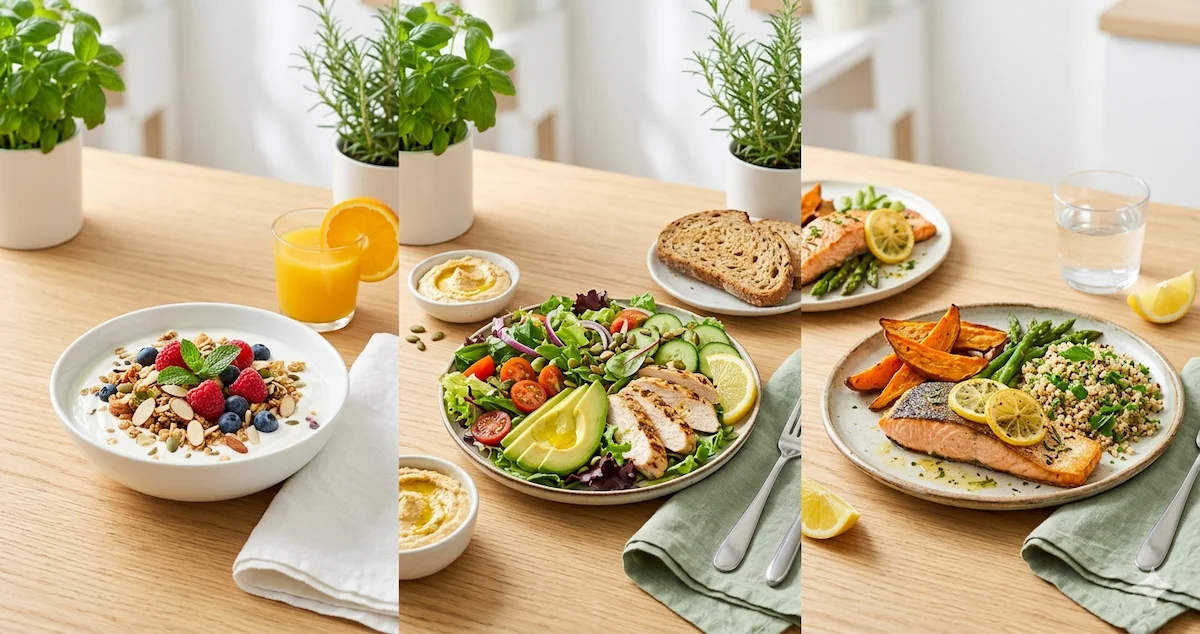
Here’s a 7 day gluten free weight loss diet plan:
Day 1
Breakfast:
Vegetable omelet (2 eggs) with one slice of gluten-free toast
Lunch:
Grilled chicken salad with olive oil and lemon dressing
Dinner:
Rice, lentils, and sautéed vegetables
Snack (optional):
One apple or a small handful of nuts
Day 2
Breakfast:
Plain yogurt (or dairy-free alternative) topped with fruit
Lunch:
Leftover lentils with cucumber and tomato salad
Dinner:
Baked fish with potatoes and steamed vegetables
Snack:
Roasted chickpeas
Day 3
Breakfast:
Smoothie with banana, peanut butter, and milk of choice
Lunch:
Rice bowl with eggs, vegetables, and light seasoning
Dinner:
Chicken stir-fry with vegetables (use gluten-free soy sauce if needed)
Snack:
Fruit or yogurt
Day 4
Breakfast:
Boiled eggs with fruit
Lunch:
Vegetable soup with rice
Dinner:
Grilled chicken, roasted vegetables, and fresh salad
Snack:
Handful of nuts
Day 5
Breakfast:
Certified gluten-free oats with fruit
Lunch:
Egg and vegetable rice bowl
Dinner:
Baked fish with lentils
Snack:
Fruit
Day 6
Breakfast:
Smoothie or eggs—your choice
Lunch:
Leftover chicken and vegetables
Dinner:
Rice with beans and salad
Snack:
Homemade popcorn
Day 7
Breakfast:
Yogurt with fruit and seeds
Lunch:
Vegetable omelet with salad
Dinner:
Your favorite meal from the week
Snack:
Optional treat, eaten mindfully
This 7-day gluten-free meal plan keeps meals familiar and flexible, which helps prevent burnout halfway through the week.
Calorie Guidance (Without Obsession)
Calories come up a lot, so let’s talk about them—gently. This plan loosely fits within a 1500-calorie gluten-free meal plan range for many adults, though individual needs vary.
Instead of counting every bite, focus on awareness:
- Eat slowly and without distractions
- Stop when you feel comfortably full
- Pay attention to hunger and fullness cues
Helpful daily balance tips include:
- Adding protein at every meal
- Filling half your plate with vegetables
- Using healthy fats in moderation
For more guidance on balanced meals and portion sizes, you can also check the USDA Dietary Guidelines.
A close friend once told me she lost more weight after stopping strict calorie tracking and simply building balanced plates. So, if you’re curious how gluten-free eating compares to other approaches, check out [Is a Gluten-Free Diet Low-Carb? 5 Facts You Should Know]— it explains clearly without overcomplicating things.
How This 7 Day Gluten Free Diet Supports Weight Loss
If you’re wondering how to lose weight by eating gluten free, here’s the truth: going gluten-free alone doesn’t cause weight loss. Food quality and balance matter far more.
This plan supports weight loss by:
- Reducing highly processed foods
- Increasing protein and fiber intake
- Improving portion awareness naturally
What really makes the difference:
- Lean protein like eggs, chicken, fish, and lentils
- Plenty of vegetables for volume and fiber
- Naturally gluten-free grains such as rice and oats
Steady, long-term weight loss happens when meals include the right amount of protein, plenty of fiber, and balanced portions— approaches supported by nutrition research and public health advice. For general healthy eating tips, the World Health Organization (WHO) provides a simple guide to balanced diets. n-clinical guidance on balanced diets.
Gluten Free Diet Plan for Beginners (Common Mistakes to Avoid)
If you’re new, this gluten free diet plan for beginners section can save you a lot of frustration.
Some common mistakes I’ve seen (and made myself) include:
- Relying too much on packaged gluten-free snacks
- Skipping meals to “save calories.”
- Cutting carbs too aggressively
Simple beginner-friendly tips:
- Read labels, but don’t panic over every ingredient
- Stick to foods that don’t even need labels
- Repeat meals—it’s efficient, not boring
My sister once laughed and said, “I thought gluten-free meant salad forever.” Thankfully, that’s not true. Balance always matters.
If you’re also avoiding dairy, this guide on [Gluten Free Dairy Free Diet: Easy Guide for Beginners] fits naturally alongside this plan.
Gluten Free Meal Plan on a Budget
This is where many meal plans fall short, so let’s be realistic. A gluten-free meal plan on a budget is absolutely possible.
Smart ways to save include:
- Buying naturally gluten-free staples
- Cooking once and eating leftovers
- Choosing seasonal produce
Affordable, reliable staples:
- Rice, lentils, eggs, potatoes
- Frozen vegetables
- Simple homemade snacks
You don’t need specialty products to succeed. Basic foods work beautifully—and they’re often more filling too.
Can You Continue After 7 Days? (What to Do Next)
Seven days is just a starting point, not the finish line. After the week ends, you can:
- Repeat the plan with small swaps
- Rotate proteins and vegetables
- Start building your own simple meals
Consistency beats perfection every single time. I’ve seen friends get better results from repeating a “boring” plan than from constantly starting over with something new.
Frequently Asked Questions
1: How much weight can you lose on a 7 day gluten free diet?
Most people lose around 1–2 kg in a week, depending on food choices, portion sizes, and daily activity. Results vary, and steady progress tends to last longer.
2: Can a gluten-free diet really help with weight loss?
Yes—especially when it focuses on whole foods rather than processed gluten-free products. Balanced meals make a real difference.
3: Is a 7 day gluten free meal plan good for beginners?
Absolutely. A short plan helps beginners understand what to eat, avoid common mistakes, and build confidence.
4: How many calories should a gluten-free weight loss diet include?
Many adults aim for 1,400–1,600 calories per day, but individual needs vary. Food quality matters more than exact numbers.
5: Can I follow a gluten-free weight loss diet on a budget?
Yes. Naturally gluten-free foods like rice, eggs, lentils, vegetables, and fruit are affordable and effective.
Final Thoughts
This 7 day gluten free weight loss diet isn’t about rules—it’s about habits you can actually keep. Simple foods win. Consistency matters more than restriction. And progress doesn’t have to be perfect to be meaningful.
If you stick with balanced meals, repeat what works, and stay mindful, this approach can easily turn into a long-term gluten free meal plan for weight loss that truly fits your life.
So tell me—if you tried this plan for one week, which meal would you happily repeat next week?
Disclaimer
This article is for informational purposes only and is not intended as medical advice. Always listen to your body and consult a qualified professional for personalized guidance.



4 Responses
A really good blog and me back again.
Thank you so much for coming back!😊—let me know what topic you’d like me to cover next!
wish you best and best
thanks