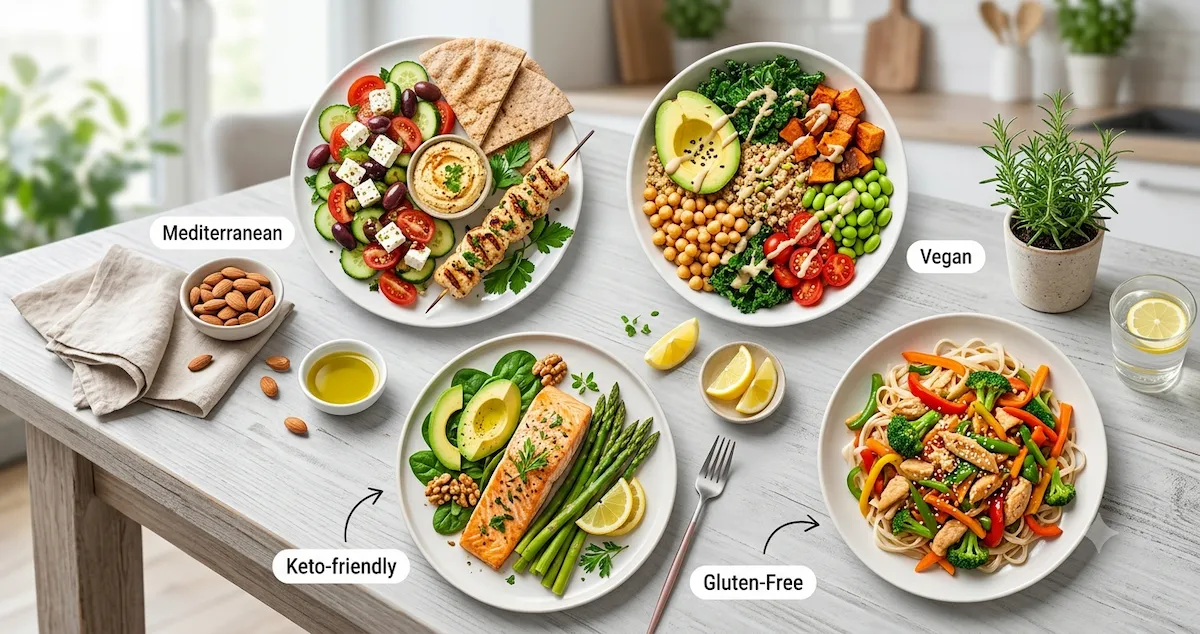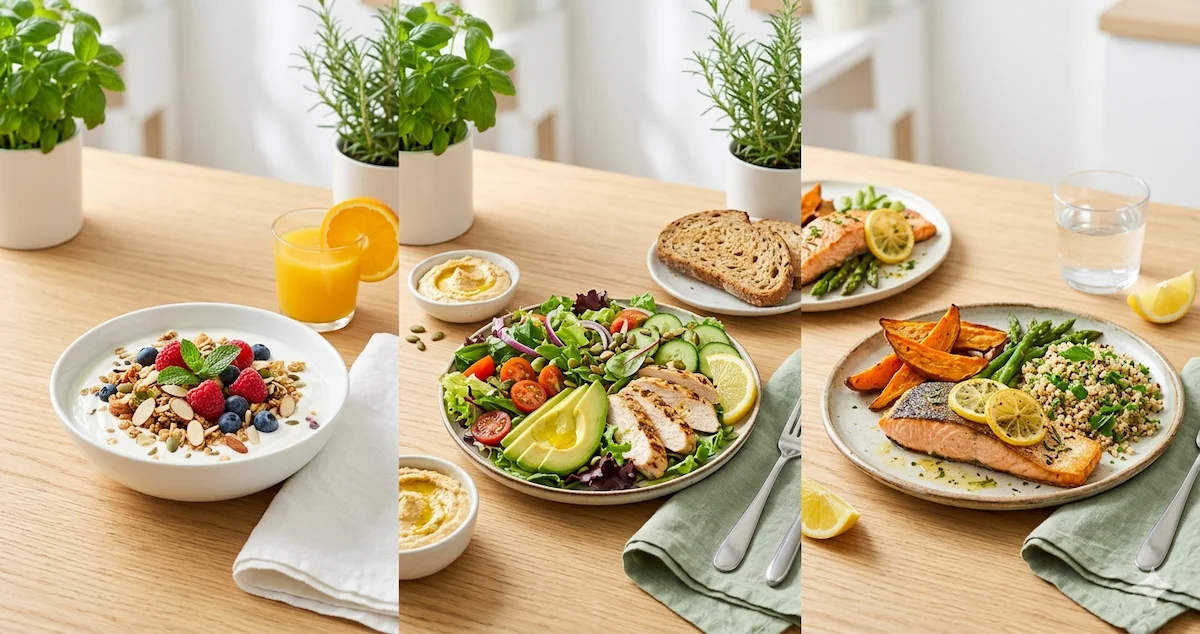
Many people switch to a gluten-free diet hoping to lose weight or improve digestion. But one question often comes up — is a gluten-free diet low-carb?
At first, both diets might sound similar, but they focus on very different things. This article explains what “gluten-free” and “low-carb” really mean, how they differ, and five key facts that clear up the confusion.
You’ll know which approach suits your health, energy, and weight goals best.
Table of Contents
ToggleWhat Does Gluten-Free Really Mean?
You’ve seen “gluten-free” labels on bread, pasta, and snacks — but what exactly is gluten?
Gluten is a protein found in wheat, barley, and rye. It gives dough its stretch and helps bread stay soft and chewy.
People avoid gluten-free foods for many reasons — from celiac disease and gluten intolerance to simply feeling lighter or less bloated. But it’s important to understand that gluten-free doesn’t mean low-carb.
Most gluten-free foods use rice flour, corn flour, or potato starch, which are still high in carbs. So, if you’re wondering, does gluten-free mean no carbs? The answer is no. Gluten-free foods can still raise your blood sugar if you’re not careful.
Read more: 5 Drawbacks of Skipping Breakfast
What Does a Low-Carb Diet Mean?
A low-carb diet reduces foods rich in starch and sugar — like bread, rice, and pasta — to help manage weight, energy levels, and blood sugar.
Instead, it focuses on:
- Protein: chicken, eggs, fish
- Healthy fats: nuts, seeds, avocado, olive oil
- Non-starchy veggies: spinach, broccoli, cauliflower
Unlike gluten-free diets, low-carb eating doesn’t remove gluten — it simply limits carbohydrate intake.
That’s the main difference: gluten-free avoids a protein, while low-carb limits carbs overall.
Learn more from Harvard Health about low-carb diets
5 Facts You Should Know About Gluten-Free and Low-Carb Diets
Before you assume both diets are the same, here are five facts that explain their differences clearly.
Fact #1: Is Gluten-Free Food Low Carb? Not Always!
Most gluten-free products aren’t automatically low in carbs.
Foods like gluten-free pasta, cookies, and bread often use high-carb ingredients such as tapioca starch, potato starch, or rice flour.
These ingredients can raise blood sugar, especially if eaten in large portions.
So, is gluten-free food low-carb? Not usually. Always check nutrition labels for total carbs and added sugars before buying.
Fact #2: Can Gluten-Free Be Keto-Friendly?
You might wonder — is keto gluten-free or is gluten-free keto?
The short answer: sometimes.
The keto diet focuses on eating high-fat, very low-carb foods. Many keto-friendly options, like meat, fish, eggs, cheese, and low-carb vegetables, are naturally gluten-free.
However, not all gluten-free foods fit into keto. For example, gluten-free bread made with rice flour is still too high in carbs for a keto plan.
To stay both gluten-free and low-carb:
- Use almond or coconut flour instead of wheat flour.
- Swap cauliflower rice for regular rice.
- Try zucchini noodles instead of pasta.
Fact #3: Gluten-Free and Low-Carb Food Lists
Here’s a quick food guide to help you plan meals that fit both lifestyles.
Gluten-Free Foods (Higher in Carbs) – Eat in moderation:
- Rice, corn, potatoes, quinoa
- Gluten-free pasta, bread, cereals
Low-Carb Gluten-Free Foods (Best Choices) – Eat freely:
- Eggs, chicken, turkey, fish
- Leafy greens, cucumber, broccoli
- Almonds, walnuts, chia seeds
- Greek yogurt, cheese, olive oil, avocado
This quick low-carb gluten-free food list helps you build balanced meals that support digestion, energy, and weight control.
Fact #4: Low-Carb or Gluten-Free for Weight Loss?
If your goal is weight loss, you may wonder which is better: low-carb or gluten-free?
A low-carb diet often gives quicker results by reducing sugar cravings and stabilizing blood sugar levels.
A gluten-free diet, on the other hand, benefits people with gluten sensitivity, but many packaged gluten-free products are still high in refined carbs.
If weight management is your goal, start with a low-carb plan and include only nutrient-dense gluten-free foods when necessary.
Fact #5: Low-Carb vs Gluten-Free — What’s the Real Difference?
Many people often assume gluten-free means carb-free, but that’s a myth.
Gluten-free foods like rice, beans, and potatoes are naturally high in carbs, even though they don’t contain gluten.
In simple terms:
- Gluten-free = no gluten protein
- Low-carb = fewer total carbohydrates
So, is gluten-free carb-free? Definitely not.
Understanding this difference helps you avoid hidden carbs and make smarter food choices.
Expert Tips for Combining Gluten-Free and Low-Carb Eating
Trying to follow both a gluten-free and low-carb diet can feel challenging, but it’s completely achievable with the right plan. Keep these expert tips in mind to make it easier:
- Read labels carefully: Many gluten-free foods contain starches, rice flour, or added sugars that raise carb levels. Always check ingredients and nutrition facts.
- Choose real foods: Focus on naturally gluten-free and low-carb options like vegetables, eggs, fish, nuts, and unprocessed meats.
- Pair smartly: Combine small portions of carbs with protein or fiber to stay full longer and stabilize blood sugar.
- Seek expert help: If you have celiac disease, diabetes, or digestive issues, consult a registered dietitian before making major diet changes.
You may also like: The Importance of Hydration — Tips for Drinking More Water
Common Questions About Gluten-Free and Low-Carb Diets
1. Is gluten-free a low-carb diet?
No. A gluten-free diet removes gluten but not carbohydrates. Many gluten-free foods still contain starches and sugars that raise carb intake.
2. Is gluten-free bread low in carbs?
Usually not. Gluten-free bread is often made with rice flour or potato flour, which are high in carbohydrates.
3. Can you lose weight on a gluten-free diet?
Yes, but only if you manage your total calorie intake and avoid high-carb gluten-free products. Choose nutrient-dense, whole foods for the best results.
4. Is rice gluten-free and low-carb?
Rice is naturally gluten-free, but it’s also high in carbs. Try smaller portions or swap rice with cauliflower rice or shirataki noodles to cut carbs.
5. What are the best low-carb, gluten-free foods?
Some of the top low-carb, gluten-free foods include:
- Eggs, fish, and lean meats
- Leafy greens and cruciferous veggies
- Nuts, seeds, and chia
- Low-carb flours like almond or coconut flour
Final Thoughts: Gluten-Free vs. Low-Carb — Which Is Right for You?
So, is a gluten-free diet low-carb? Not necessarily. Going gluten-free removes gluten, but it doesn’t automatically reduce carbohydrates. Many gluten-free foods—like bread, pasta, and snacks—are still carb-heavy.
To make healthier choices, focus on whole, unprocessed foods that fit both categories: lean proteins, fresh vegetables, healthy fats, and low-carb gluten-free options.
Your healthiest diet is the one that supports your body’s energy, digestion, and goals — not just a trend.
So, if you’re wondering which diet suits you best, remember: gluten-free doesn’t always mean low-carb. Choose what fits your health goals — and when in doubt, consult a nutritionist.
Take action today: Swap regular bread for almond flour bread or pasta for zucchini noodles — and feel the difference in your energy, digestion, and overall well-being!